Bhutan has four distinct seasons, but because altitude ranges from about 100 m to over 7,000 m, you can find several climates in a single day's drive. The southern foothills are subtropical, the central valleys are temperate, and the high north is alpine.
The four seasons
Spring (Mar – May)
Mild days and rhododendrons in bloom. Great for festivals and the Tiger's Nest hike. Some afternoon haze.
Summer / Monsoon (Jun – Aug)
Warm and green, with frequent showers mostly in the afternoons and evenings. Few visitors and lush scenery.
Autumn (Sep – Nov)
Clear skies, crisp air and Himalayan views. Peak season for trekking and the big Tshechus.
Winter (Dec – Feb)
Cold nights but sunny, dry days with superb mountain views. Black-necked cranes arrive in Phobjikha.
Average temperatures by valley
These are approximate daytime highs and night-time lows. Mornings and evenings are always cooler than the middle of the day.
| Place (altitude) | Spring | Summer | Autumn | Winter |
|---|---|---|---|---|
| Paro (~2,200 m) | 8 – 22 °C | 14 – 26 °C | 7 – 22 °C | -3 – 14 °C |
| Thimphu (~2,320 m) | 8 – 22 °C | 15 – 26 °C | 8 – 22 °C | -2 – 14 °C |
| Punakha (~1,250 m) | 14 – 29 °C | 20 – 32 °C | 14 – 28 °C | 5 – 19 °C |
| Bumthang (~2,600 m) | 4 – 18 °C | 12 – 23 °C | 4 – 18 °C | -6 – 10 °C |
| Phuentsholing (~300 m) | 20 – 31 °C | 24 – 33 °C | 20 – 30 °C | 13 – 24 °C |
The monsoon
The southwest monsoon arrives in late June and lasts until late August or early September. The south receives the heaviest rain. In the central valleys, showers usually come in the afternoon or overnight, leaving mornings clear enough for sightseeing. Occasional landslides can slow road travel, so we build flexibility into monsoon itineraries. The reward is emerald valleys, waterfalls, wildflowers and very few other tourists.
Winter in Bhutan
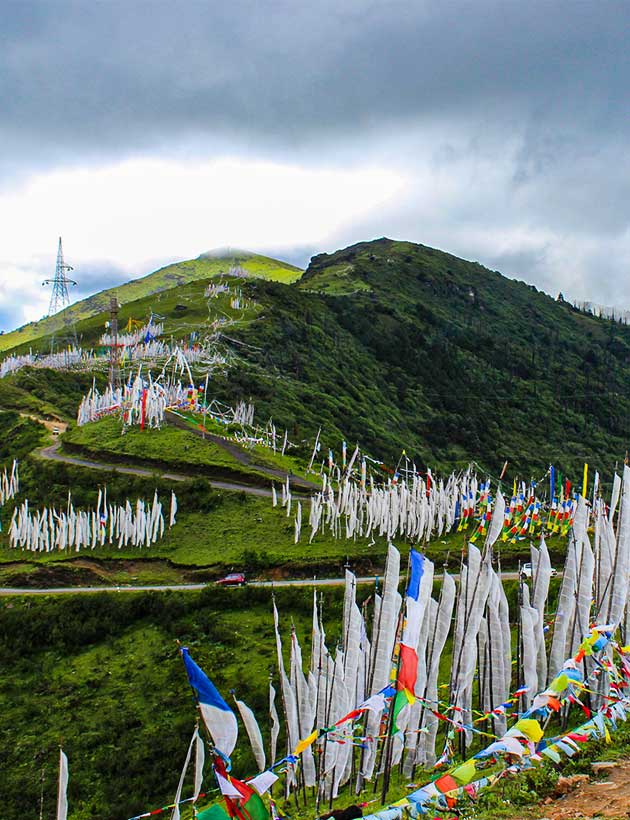
Winter brings frosty nights, especially in Paro, Thimphu and Bumthang, but days are often bright and sunny. Snow can temporarily close high passes such as Chele La and Pele La. Punakha and Wangdue stay mild and pleasant. Winter is the best season for clear Himalayan views and for seeing the black-necked cranes.
What to pack
- Layers: T-shirts, a fleece or warm sweater and a windproof jacket. Temperatures change quickly with altitude.
- Warm wear in autumn and winter: a down jacket, thermal base layers, gloves and a warm hat.
- Rain gear in summer: a light waterproof jacket and a compact umbrella.
- Comfortable walking shoes: trail shoes with good grip for Tiger's Nest and day hikes.
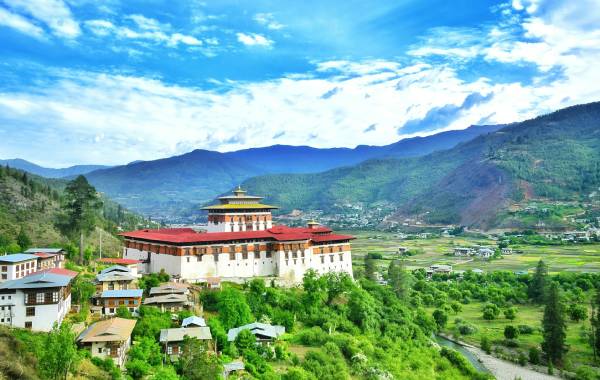
- Modest clothing: long sleeves and long trousers or skirts for dzongs and temples.
- Sun protection: sunglasses, sunscreen and lip balm. UV is strong at altitude.
- Personal medicines and a small first-aid kit, plus altitude medication if your doctor recommends it for treks.
Not sure when to go? Read our month-by-month guide to the best time to visit Bhutan.
Frequently Asked Questions
Does it snow in Bhutan?
Snow falls regularly in the high north and on mountain passes in winter. Thimphu, Paro and Bumthang get occasional light snowfall between December and February.
Is it safe to visit Bhutan during the monsoon?
Yes. Rain is mostly in the afternoons and evenings in the central valleys. Road delays from landslides can occur, so we keep monsoon itineraries flexible and monitor conditions daily.
Last updated: 15 October 2026