A Tshechu ("tenth day") is held in honour of Guru Rinpoche on the tenth day of a month in the Bhutanese lunar calendar. Every district celebrates its own, usually in the dzong courtyard. For locals it is a religious occasion, a family outing and a chance to receive blessings. For visitors it is one of the most memorable experiences in the Himalaya.
What happens at a Tshechu?
- Cham (masked dances): Monks and lay dancers in brocade costumes and carved masks perform dances that teach Buddhist values: the victory of good over evil, the cycle of rebirth and compassion.
- Atsaras (clowns): Masked jesters tease the crowd, keep order and bring humour to the sacred proceedings.
- Thongdrel: At some festivals, a vast scroll painting of Guru Rinpoche is unrolled before sunrise on the final day. Simply seeing it is believed to free the viewer from sin.
- Blessings and gathering: Families picnic in the courtyard, receive blessings from lamas and meet relatives from distant villages.
Major festivals at a glance
| Festival | Where | Usual season |
|---|---|---|
| Punakha Drubchen & Tshechu | Punakha Dzong | February – March |
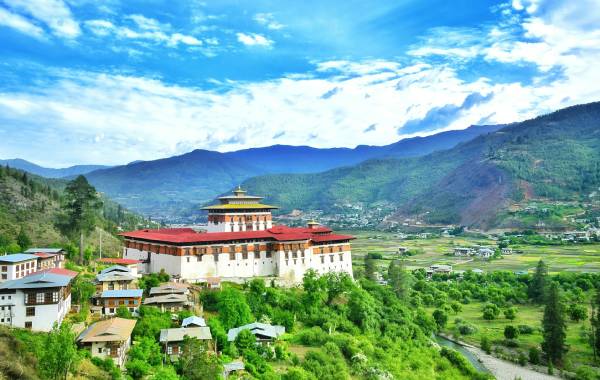
| Paro Tshechu | Rinpung Dzong, Paro | March – April |
| Ura Yakchoe | Ura village, Bumthang | April – May |
| Haa Summer Festival | Haa Valley | July |
| Thimphu Drubchen & Tshechu | Tashichho Dzong, Thimphu | September – October |
| Wangdue Tshechu | Wangdue Phodrang | September – October |
| Jambay Lhakhang Drup (with the midnight fire blessing) | Bumthang | October – November |
| Black-Necked Crane Festival | Gangtey Goenpa, Phobjikha | 11 November |
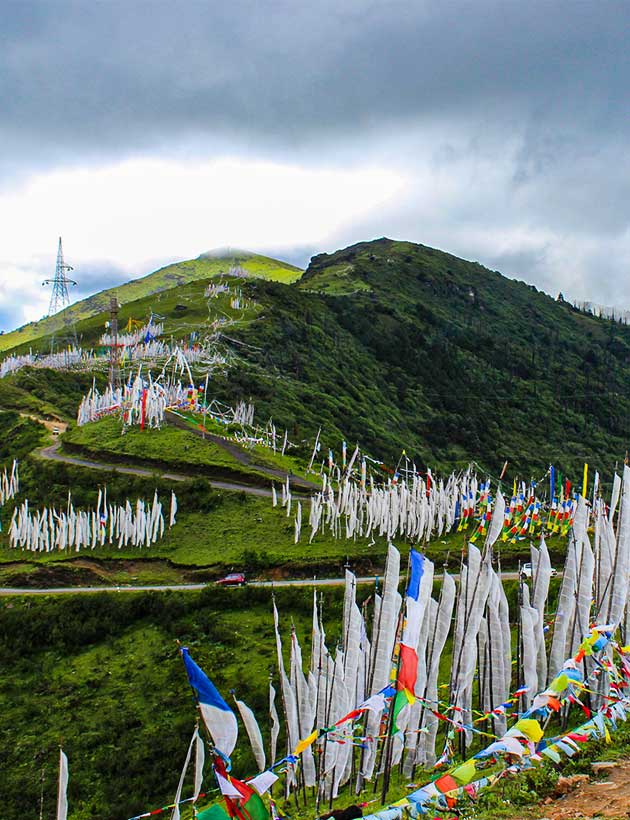
| Druk Wangyel Tshechu | Dochu La | 13 December |
| Trongsa Tshechu | Trongsa Dzong | December – January |
Dates change every year. Most festivals follow the lunar calendar, so their Gregorian dates move each year. Contact us for this year's confirmed festival dates before booking flights, because hotels in Paro and Thimphu fill up months ahead of the big Tshechus.
Paro Tshechu
Held in spring, Paro Tshechu is one of the country's most popular festivals. Five days of dances take place in the courtyard of Rinpung Dzong. Before dawn on the last day, the monks unveil the enormous Guru Thongdrel on the dzong's outer wall. Combine it with the hike to Tiger's Nest and spring rhododendrons for a perfect trip.
Thimphu Tshechu
The capital's festival is held at Tashichho Dzong in autumn. This is peak season, with crisp skies, harvest-gold rice terraces and the country's largest crowds of locals in festival dress. It is preceded by the Thimphu Drubchen, a ritual that is rarely seen.
Punakha Drubchen
Unique in Bhutan, the Punakha Drubchen re-enacts the 17th-century battle in which Bhutanese forces repelled a Tibetan invasion. Local pazaps (militiamen) appear in traditional battle dress. It is followed by the Punakha Tshechu, with the jacaranda-framed Punakha Dzong at its most beautiful.
Festival etiquette for visitors
- Dress smartly and modestly, ideally in long sleeves. Wearing a gho or kira is welcomed.
- Do not walk across the dance area or block locals' views. Sit where your guide suggests.
- Photography is generally allowed, but never use flash, and do not climb onto structures for a better angle.
- Arrive early, especially for the thongdrel unveiling, which happens before sunrise.
Frequently Asked Questions
When is the best festival to visit in Bhutan?
Paro Tshechu (spring) and Thimphu Tshechu (autumn) are the most popular. For a quieter, more local experience, consider Punakha, Wangdue, Jambay Lhakhang or the Black-Necked Crane Festival.
Do I need a special permit to attend festivals?
No special permit is needed. Festivals are open to everyone, and your guide will accompany you. Accommodation is the main thing to book early.
Are Bhutan festival tours more expensive?
Hotel demand is higher during major festivals, so rates and availability can be tighter. Booking 3–6 months in advance gives you the best choice.
Last updated: 15 October 2026